

Screen time is a word often thrown around in the media and even in Medical journals and papers. That’s because we are so addicted to our phones that it is hard for us to do anything other than be on them.
What’s America’s Average Screen Time?
According to MIT Technology Review, the average person spends 24 hours a week ingesting media, whether watching, reading, or listening. The sad reality is most of us likely spend significantly more than that. It’s easy to reach for your phone when you have nothing to do, or even when you do. Maybe you scroll mindlessly because that’s what you’re used to doing, or maybe you’re watching a video on YouTube because you have nothing else to do. Either way, Media is causing serious issues among our citizens. We are seeing an increase in addiction to phones, and even in addition to gaming.
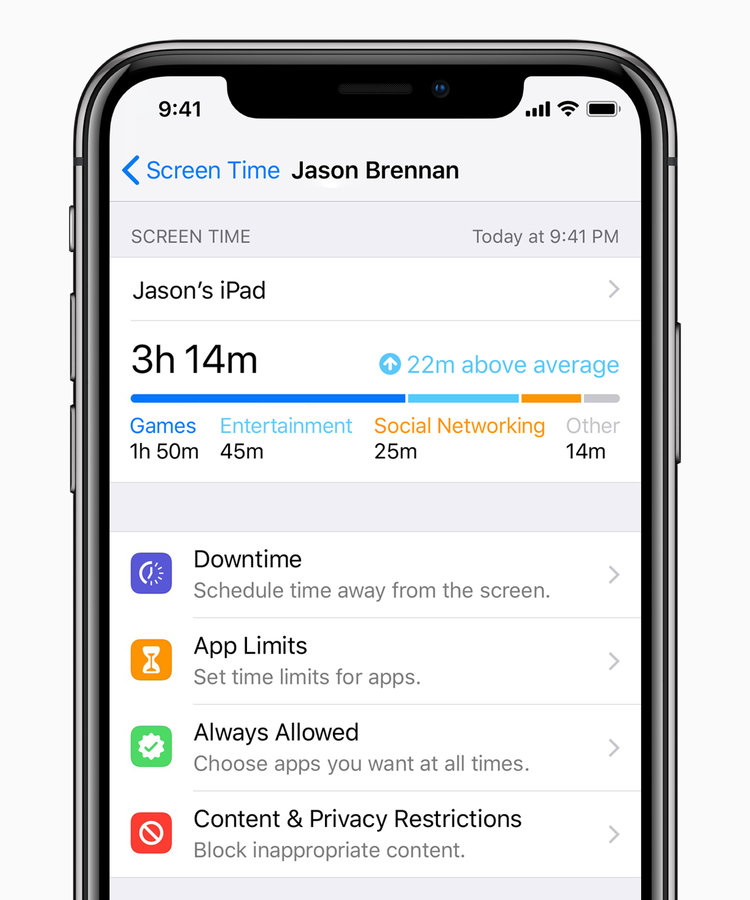
I myself spend about 38 hours per week on my phone, and that’s just my phone. Not including my work computer, my personal computer, and my TV/Gaming systems. If you do the math, just for that device, the time spent on my phone is equivalent to 1/4th of the year!
Why don’t we turn away?
It’s simple. We have a problem. App developers are clever, and marketers are very good at what they do. Essentially, marketing is the act of pulling on someone’s emotional state and manipulating it to benefit yourself or your company. That’s exactly what is happening; you could go on YouTube and just go to watch one video, and next thing you know it turns into three hours of YouTube because the content is so compelling to watch that you get sucked into an endless loop.
What’s the solution?
The solution seems to just be trying your best to ignore these ads and promotional content. It is extremely hard; however, if your goal is to reduce screen time, this may be the best bet for you.
How do I reduce screen time?
The best option for reducing screen time is to block ads. Maybe consider deleting the social media apps you use the most could help reduce screen time.
Screen time is at an all-time high, and there are ways that it can be reduced. However, the options are there. If this is something that is serious to you and you want to reduce screen time, consider these options.
2026 Update: The Impact of Excessive Screen Time
The consequences of excessive screen time extend well beyond distraction or wasted hours. According to the American Academy of Pediatrics, increased screen exposure is linked to a variety of physical and mental health issues, including disrupted sleep patterns, increased anxiety, and even depression. Blue light emitted from screens can interfere with the production of melatonin, the hormone responsible for regulating sleep, making it harder to fall and stay asleep. Poor sleep, in turn, can negatively impact mood, cognitive function, and overall well-being.
Moreover, the sedentary behavior associated with prolonged screen time can contribute to weight gain and metabolic issues. Another study by the National Institutes of Health found that children and teens who spent more time on screens were more likely to have higher body mass indices (BMIs) and reduced physical fitness. Adults are not immune to these effects, with extended sitting and screen use correlating with higher risks for cardiovascular disease and even premature mortality.
Social and cognitive development are also at stake. For young people especially, face-to-face interaction is crucial for developing empathy, communication skills, and healthy social relationships. Excessive screen time can crowd out opportunities for these interactions, potentially leading to social withdrawal and impaired development. According to a report from the World Health Organization, limiting recreational screen time and encouraging physical activity and in-person socialization are essential for healthy growth in children and adolescents.
Strategies for Meaningful Change
Addressing the problem requires a multi-pronged approach. Start by setting concrete limits for non-essential screen use, using built-in device features or third-party apps to track and manage time. Designate screen-free zones at home, such as bedrooms and the dinner table, to reinforce boundaries. Replace screen time with alternative activities like reading, outdoor exercise, or creative hobbies to foster engagement and fulfillment beyond digital devices. Most importantly, be mindful of your own habits and model balanced technology use for others, especially children. Awareness is the first step toward lasting change.
Have Health Insurance Questions?
We hope that this information on screen time is helpful for you.
Insurance is often overwhelming, and we want to shed light on the industry by answering your questions. Comment below, and your question may be the topic of our next post!
If you liked this article, share it with your friends!
Empower Brokerage wants to help you find the insurance coverage you need and help you save money getting it. Stay on top of your health and give us a call at (844) 410-1320.
Get affordable health insurance quotes by clicking here.
See our other websites:
This article was updated on August 20, 2026.